Aviation Switching Module – NSN 4920-01-250-2696 (AS-IS / Untested): Military Aviation Electrical Module
Aviation Switching Module – NSN 4920-01-250-2696 (AS-IS / Untested): Military Aviation Electrical Module
Blog Article
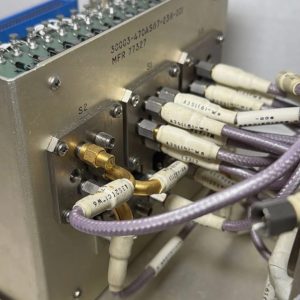
The Aviation Switching Module – NSN 4920-01-250-2696 (AS-IS / Untested) is a specialized aerospace electrical component offered for professional evaluation, restoration, testing, parts recovery, collection, or another suitable non-assumed application.
An Aircraft Switching Module may interact with test equipment, aircraft systems, electrical circuits, or support hardware, while an Aerospace Switching Module should not be energized without suitable technical information.
The Aircraft Electrical Switching Module may route selected circuits, while the Aviation Electrical Control Module, Aircraft Power Switching Module, Aerospace Electrical Control Unit, and Aircraft Signal Switching Module terms should not be interpreted as confirmed functions without documentation.
The Aviation Control Module may be associated with a larger Aircraft Electronic Switching System, while the Aerospace Switching Unit and Aircraft Electrical Module should be inspected before connection or installation.
Overview of the Aviation Switching Module
NSN 4920-01-250-2696 should be compared with the data plate, manufacturer number, contract markings, serial number, connector layout, and available documentation on the actual unit.
An identification plate should not be removed, repainted, altered, or covered because it may provide the strongest evidence of the component’s origin.
Evaluating Surplus Aircraft Electronics
The condition description should be understood as a limitation rather than a suggestion that the unit is probably operational.
Professional evaluation protects the module, technician, test equipment, and any associated aerospace system.
Aircraft Switching Module Applications
A module used with maintenance equipment may function differently from one installed onboard an aircraft.
A detailed visual inventory supports informed evaluation of the Aircraft Switching Module.
Maintaining a Switching Module Assembly
The enclosure should be inspected for dents, cracks, corrosion, missing screws, altered holes, broken seals, and unauthorized repairs.
Protective caps should remain installed during storage and shipping when available.
Inspecting Aviation Module Wiring
A qualified technician should determine whether additional internal inspection is justified.
If the enclosure is opened for professional inspection, the process should be documented with photographs and organized hardware control.
Choosing an Aviation Electrical Control Module
The module may interact with relays, switches, indicators, sensors, power sources, test connections, or other control equipment.
Aggressive solvents, scraping, repainting, or polishing may remove original information.
Aircraft Power Switching Module Considerations
Power switching equipment can create heat, arcing, or equipment damage when connected incorrectly.
Accurate reporting protects buyers seeking an Aircraft Power Switching Module for repair, parts, or research.
Aviation Control Unit Inspection
An Aerospace Electrical Control Unit may combine switching, control, indication, interface, or distribution functions within one enclosed assembly.
A common-looking relay, switch, resistor, connector, or wire may not be an acceptable substitute.
Maintaining Aircraft Interface Hardware
An incorrect connection may damage sensitive electronics even when the module itself receives little power.
The module should not be modified with unshielded wiring or improvised connectors solely for convenience.
Control Module Compatibility Review
Clear intended use helps establish realistic expectations for an AS-IS Aviation Control Module.
Accurate configuration review reduces the risk of an unsuitable Aviation Control Module acquisition.
Aircraft Switching Unit for Maintenance or Restoration
Its value depends on identity, completeness, cosmetic condition, connector integrity, internal status, rarity, and availability of documentation.
Responsible educational use can extend the value of the Aircraft Switching Unit.
Choosing an Aerospace Power Distribution Module
Internal conductive components can corrode or loosen during storage.
The original installation orientation should be researched where possible.
Maintaining Legacy Aviation Control Equipment
An Aircraft Electrical Control Unit should receive an organized inspection covering identification, enclosure condition, connectors, controls, labels, hardware, internal components, and signs of environmental exposure.
Testing results should identify exactly which switches, contacts, indicators, or circuits were evaluated.
Aviation Power Control Module Uses
The NSN’s federal supply classification may provide useful context, but the exact role should still be researched through item-specific records.
The equipment should remain disconnected and protected during storage.
Aircraft Electronic Switching System Integration
A single module removed from the system may not be testable through ordinary standalone methods.
Professional analysis supports responsible Aircraft Electronic Switching System maintenance.
Aerospace Switching Unit Storage and Handling
The unit should not be stacked beneath heavy equipment or left on conductive surfaces.
The module should be enclosed in a moisture-resistant protective layer and placed inside a strong outer carton or suitable shipping case.
Aircraft Electrical Module Buying Considerations
AS-IS equipment may offer attractive value when the purchaser has the knowledge and resources required for evaluation.
Unknown information should remain clearly identified as unknown.
Evaluating an AS-IS Aircraft Switching Unit
The buyer should request enough information for an aviation electronics technician, aerospace-equipment specialist, or experienced surplus buyer to evaluate the unit.
- Determine whether cables, plugs, manuals, test leads, mounting hardware, storage cases, or companion components are included.
- Inspect switches, knobs, indicators, connectors, pins, wiring, and terminals for damage, looseness, contamination, overheating, or unauthorized repair.
- Confirm the written invoice, AS-IS terms, payment protection, packaging method, shipping insurance, inspection period, and return conditions.
Professional Bench Evaluation
Testing should begin with identification research, visual inspection, connector mapping, safety review, and examination of available technical documentation.
Test results should identify which circuits or functions were checked and which remain unknown.
Documenting Aviation Electronics Restoration
Original labels, wiring routes, fasteners, finishes, and component locations should be preserved whenever practical.
A repaired module may still require system-level testing or additional qualification before installation.
Selecting a Surplus Aerospace Switching Unit
The Aviation Switching Module – NSN 4920-01-250-2696 (AS-IS / Untested) offers stronger commercial appeal when its markings, controls, connectors, enclosure, accessories, history, and limitations are documented accurately.
Buyers should request detailed photographs, accurate AS-IS disclosures, check here technical research, secure transaction terms, protective shipping, and qualified evaluation where appropriate.
Whether the requirement is an Aircraft Switching Module, Aerospace Switching Module, Aircraft Electrical Switching Module, or Aviation Electrical Control Module, exact identification should guide the purchase.
With prompt attention to switches, connectors, wiring, enclosure condition, corrosion, labels, and internal components, the module can preserve its technical and commercial potential.
Report this page